Advertising to Women
Through the Four Waves
of Feminism
Let’s start with a quick reminder of
The Four Waves of Feminism…
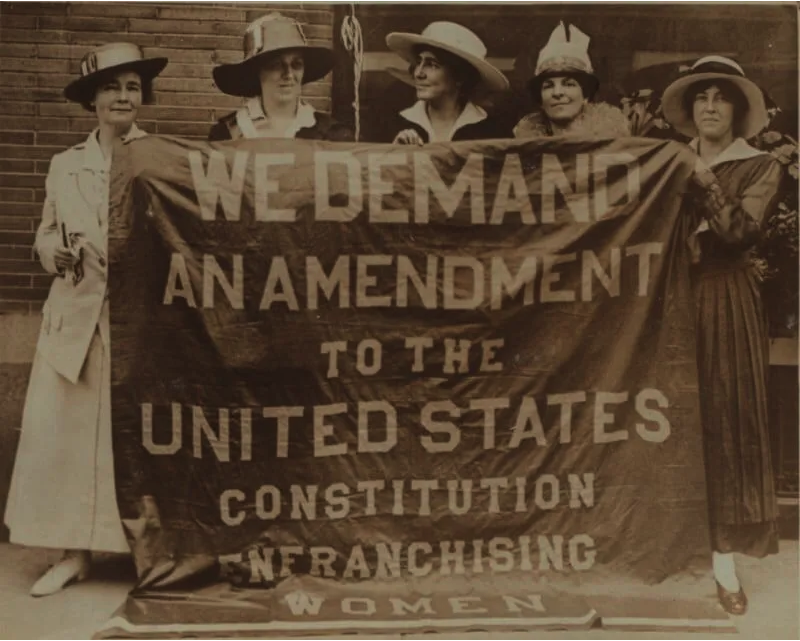
FIRST WAVE
The First Wave of Feminism began in the late 19th and early 20th centuries. Organizers fought for basic legal rights for women, almost exclusively white women, including:
The right to vote
The right to own property
Access to higher education
The right to file for divorce
Improved employment opportunities
1898-1920(ish)
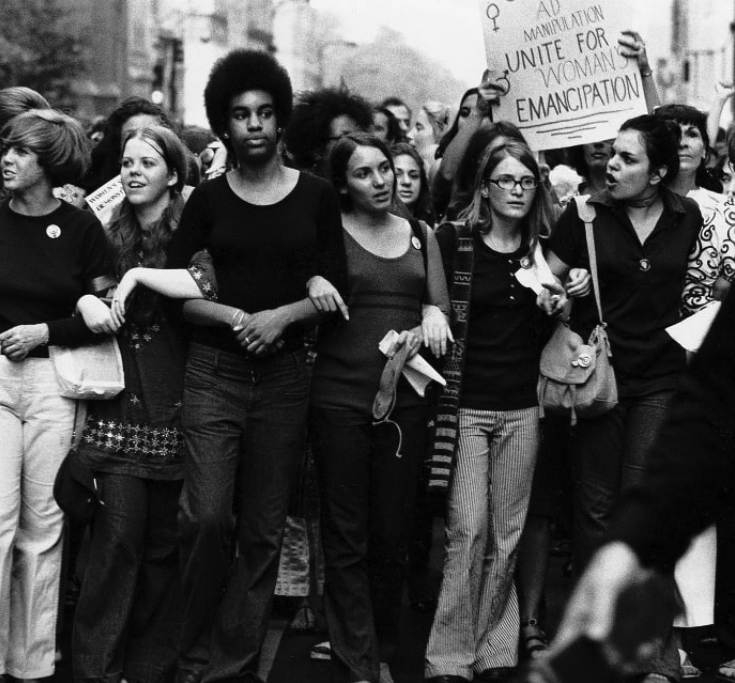
SECOND WAVE
The Second Wave of Feminism came as the US was undergoing dramatic social change – activists across the country fought for racial and gender EQUALITY. Feminist activists focused on:
Equality in the workplace
Equal pay
Reproductive rights
Financial independence
Moving beyond traditional gender roles
1960s-1970s
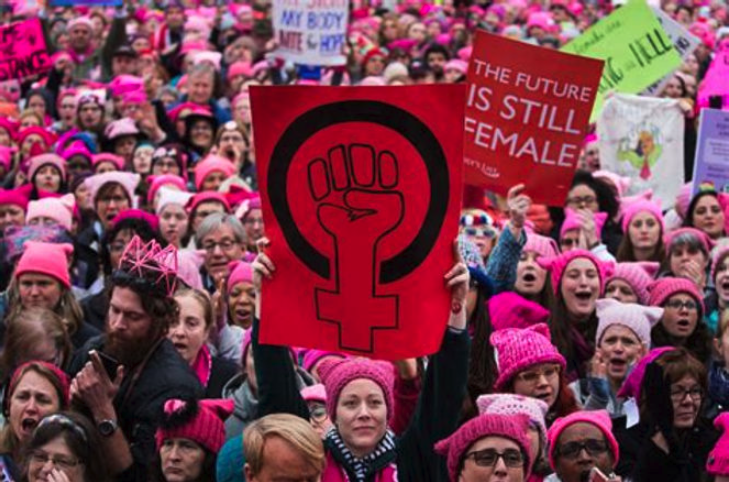
1990s-2005(ish)
THIRD WAVE
The 1991 Anita Hill hearings ignited a new wave of feminism. This was a more inclusive, unified movement that included women of different races, classes, and gender identities. The goals of the Third Wave were:
Carry on the work of the Second Wave
Tear down the established patriarchy
Increase female presence in government
Address sexist and racist practices
Combat sexual harassment and sexual assault
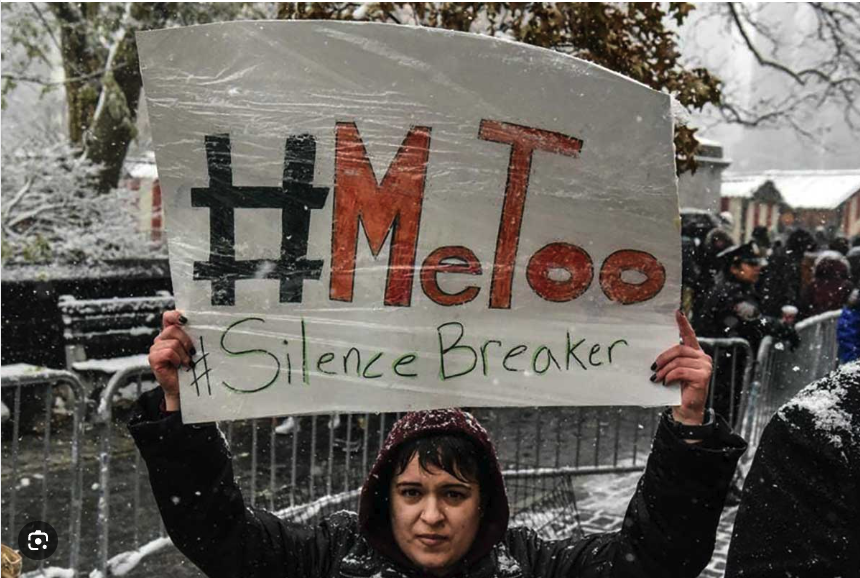
2012(ish)-Present
FOURTH WAVE
The rise of social media, renewed attacks on the very foundations of women’s rights, and the rise of the #MeToo movement, these are the keystones of the Fourth Wave of Feminism. As the Trump presidencies ushered an overwhelming assault on the gains of the past 50 years, women find themselves fighting again for basic rights:
Reproductive rights
Voting rights
Combating widespread sexual assault
Advertising during the
First Wave of Feminism
(1898-1920s)
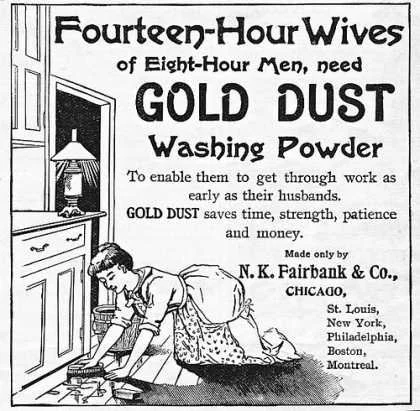
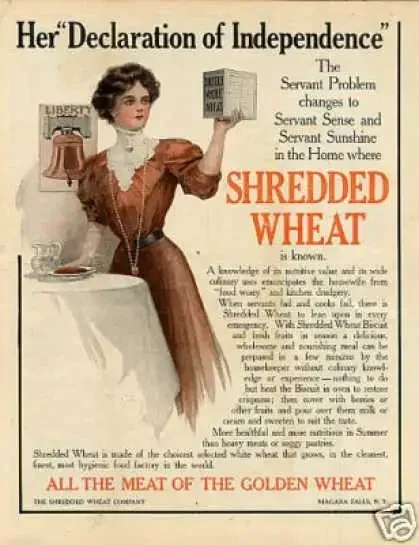
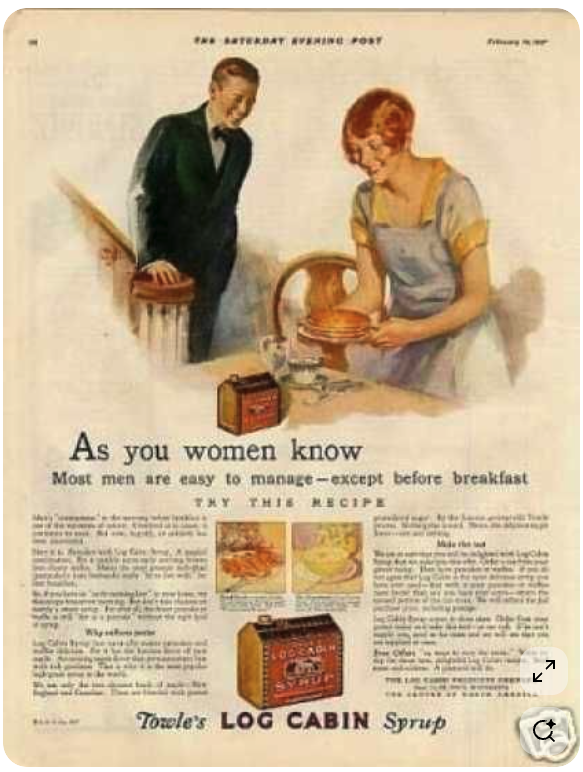
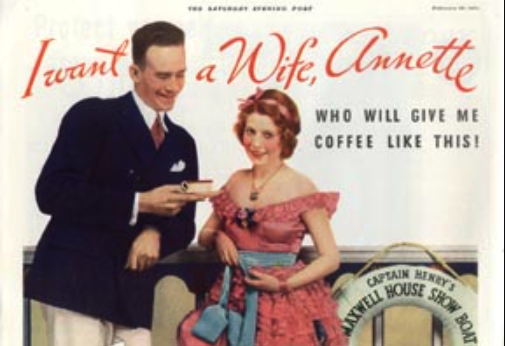
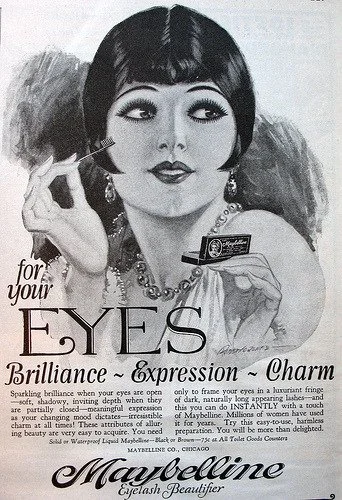
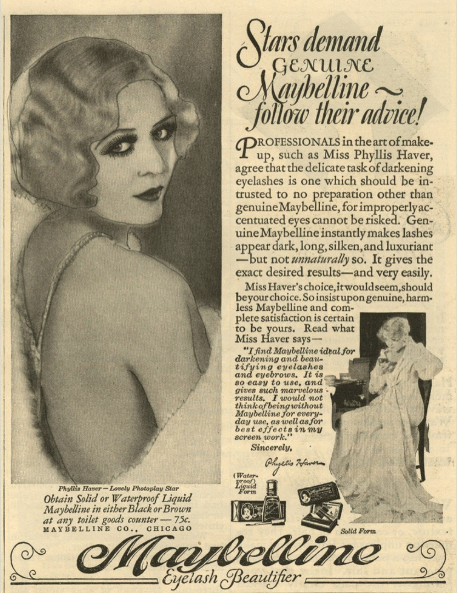
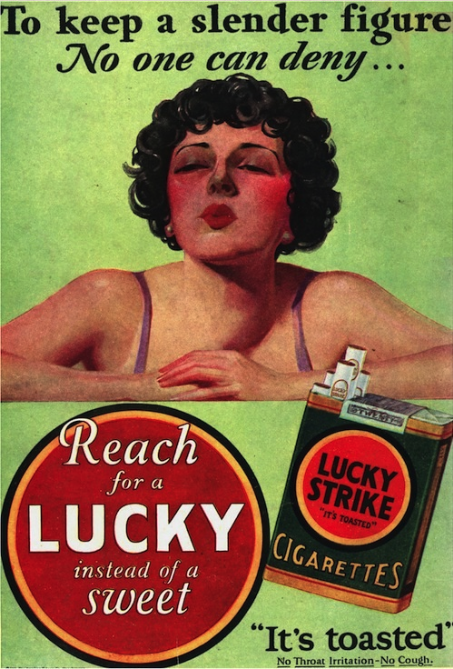
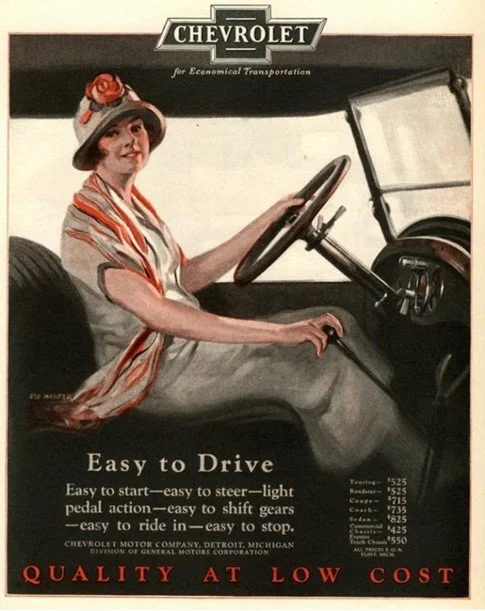
Although early feminism brought advances in women’s rights, advertising was slow to reflect these changes, and even when it did begin to recognize the “New Woman” of the early 20th century, the messaging was still mostly condescending, and almost entirely focused on products that would help a woman maintain a nicer home… for her husband. Flapper fashions, cosmetics, and lifestyle products (cigarettes, makeup), were the primary products promoted.

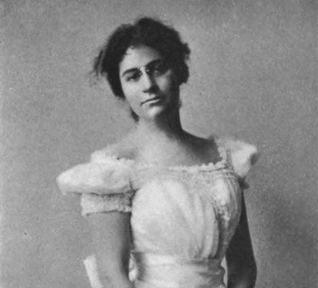
WOMEN MAKING WAVES
Mathilde C. Weil
(1872-1942)
America’s first “Ad Woman.” When her husband died, she found work, as a translator, a magazine writer, and then a newspaper saleswoman before realizing she could make more money by connecting advertisers with publishers. In 1880, she founded the first advertising agency in America… 20 years before the first male-owned ad agency.
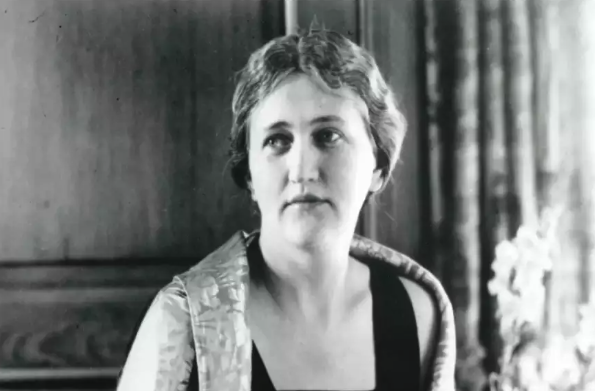
Helen Lansdowne Resor
(1886-1964)
In 1906, Helen Lansdowne Resor started writing ad copy for a small ad agency. Within ten years, she was the first female Copywriter at the country’s largest agency, and, later, its VP/Creative Director. In 1911, she wrote a soap ad with the headline “The Skin You Love to Touch.” She’s credited with being the first to say “Sex Sells.”
A vocal champion of women's rights, she encouraged women to pursue careers in advertising and established mentoring programs.
Advertising during the Second Wave (1960s-1970s)
During WWII, advertising aimed to inspire women to do their part in the war effort… but after the war, ads spoke to those recently considered competent adult women as if they were children. Ads were often demeaning. During the late 1960s and early 70s, as the second wave of feminism brought in a renewed fight for equal rights, the ad industry shifted to much sexier marketing… much of it sexist, more than sexy.
Remember, before social media, advertising almost always lagged behind cultural changes taking place.
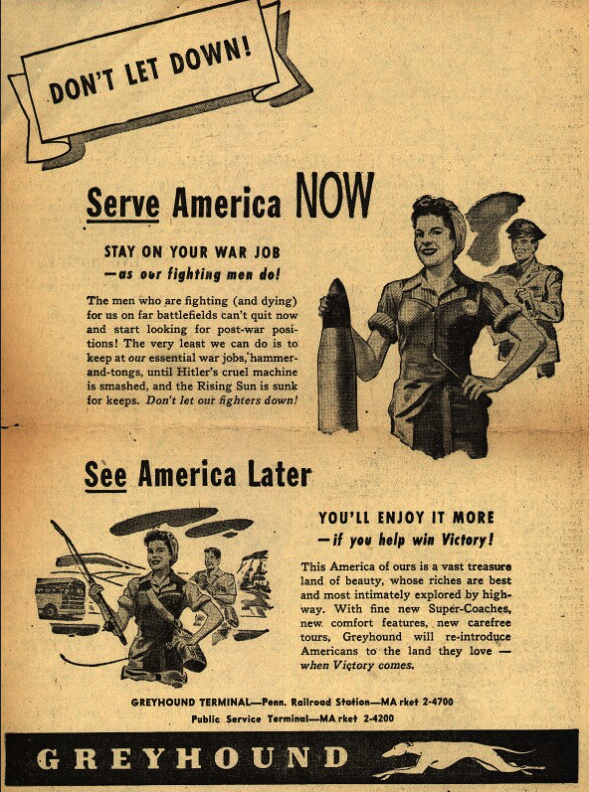
We go from women making bombs...

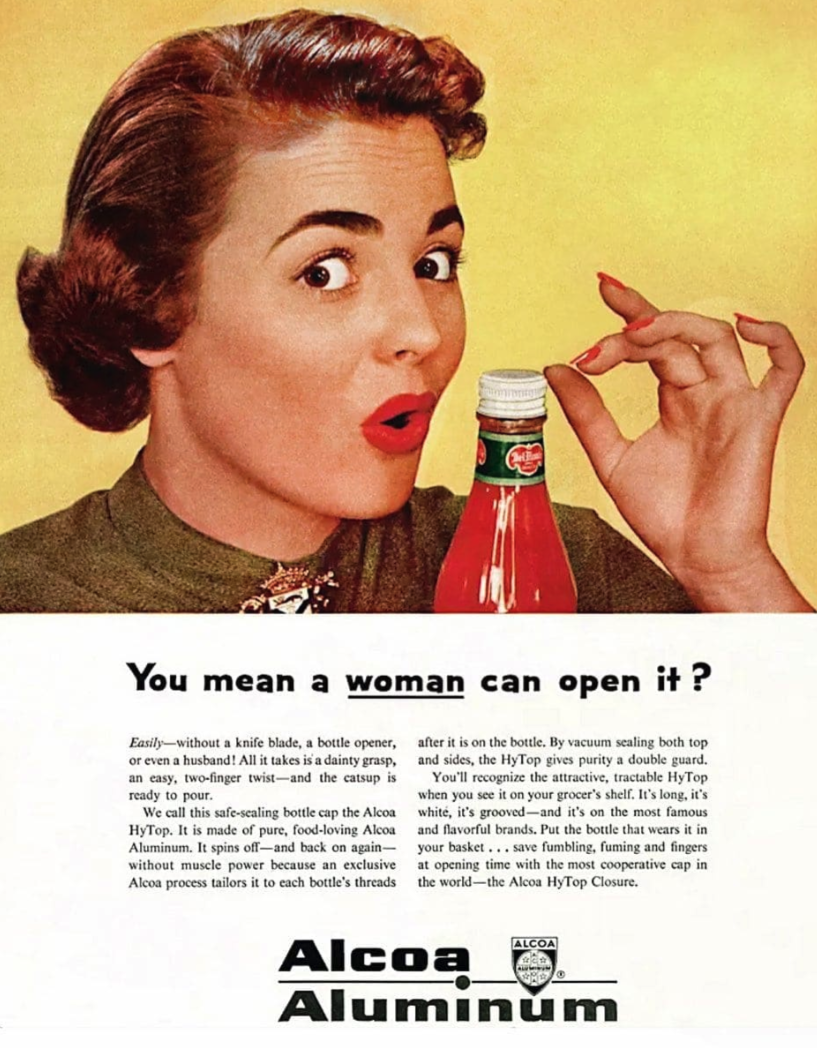
...to women struggling to open ketchup.
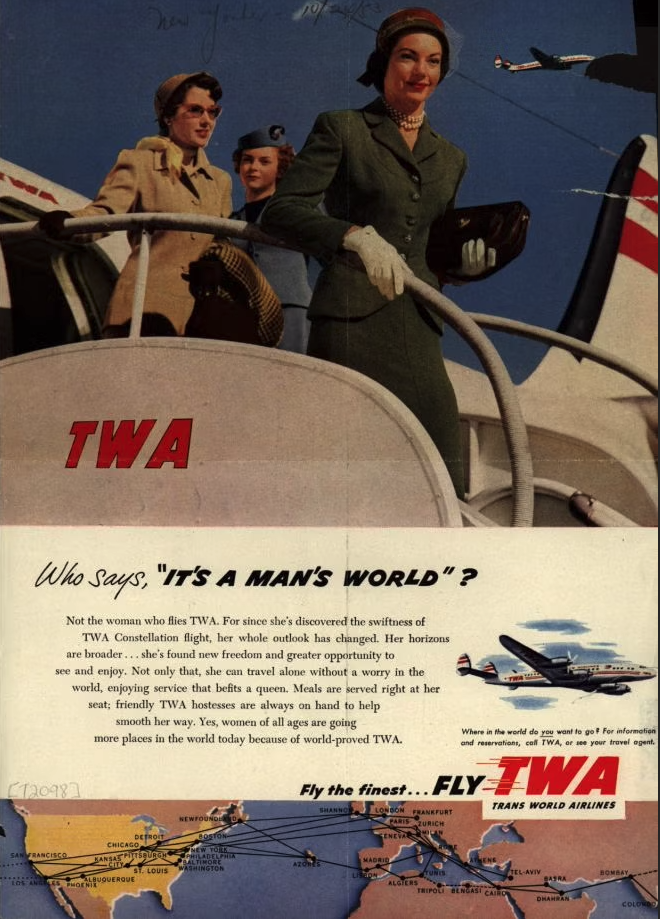
...to women exploring the world.
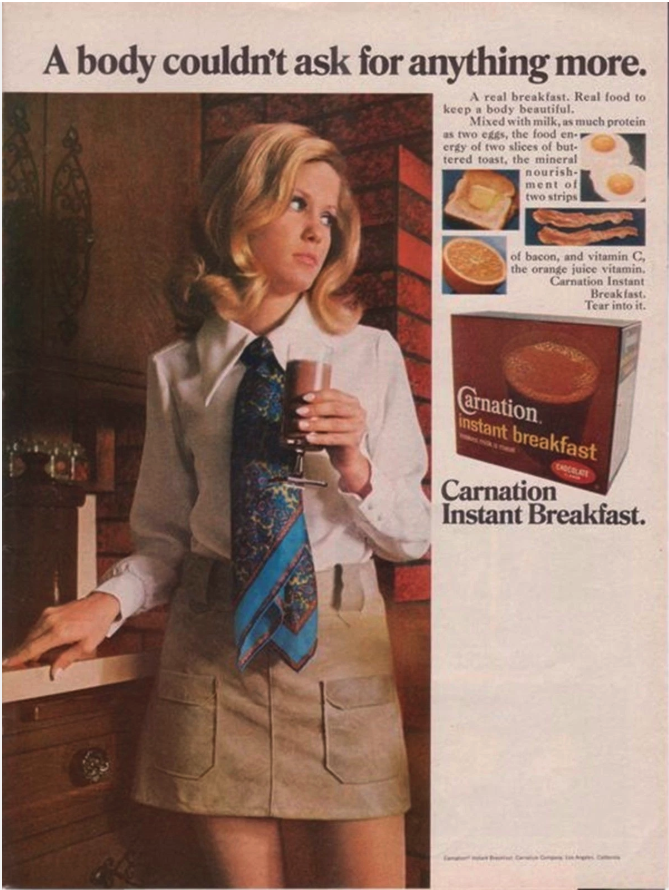
To ads showing a busy working woman.
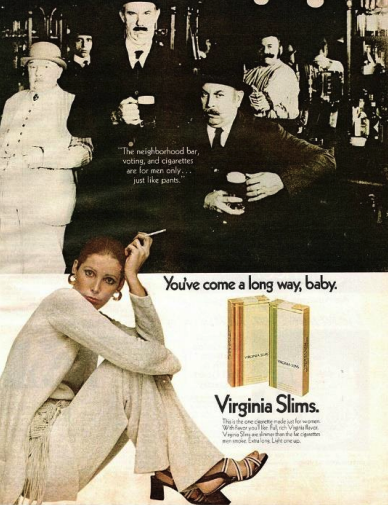
You've come a long way...
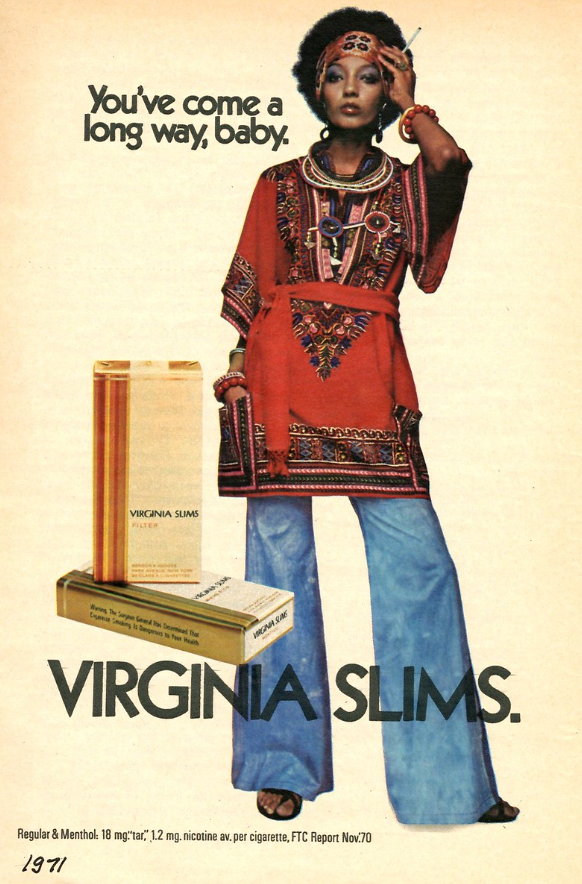
...including showing women of color in ads.
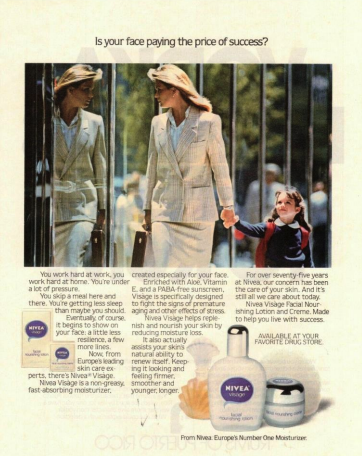
The "Super Woman" doing it all.
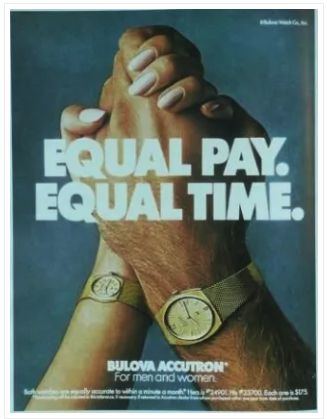
Using the feminist message to sell.
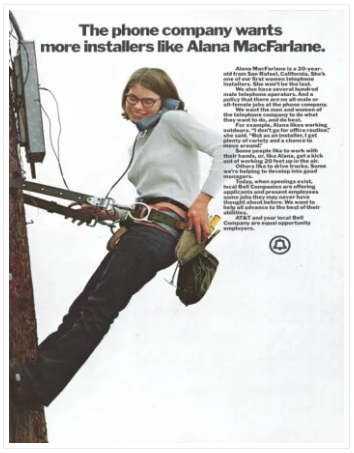
Showing women in traditionally men's roles.
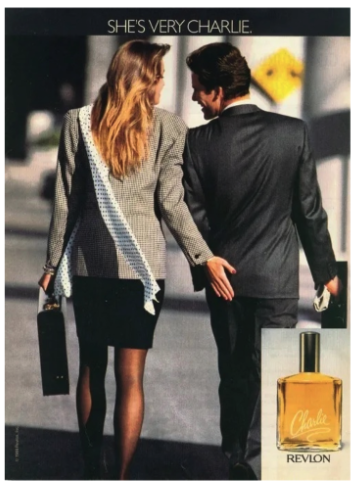
And, showing women acting as badly as men.

The “Super-Woman”
1960s Feminism
An ad for women, written by a woman.
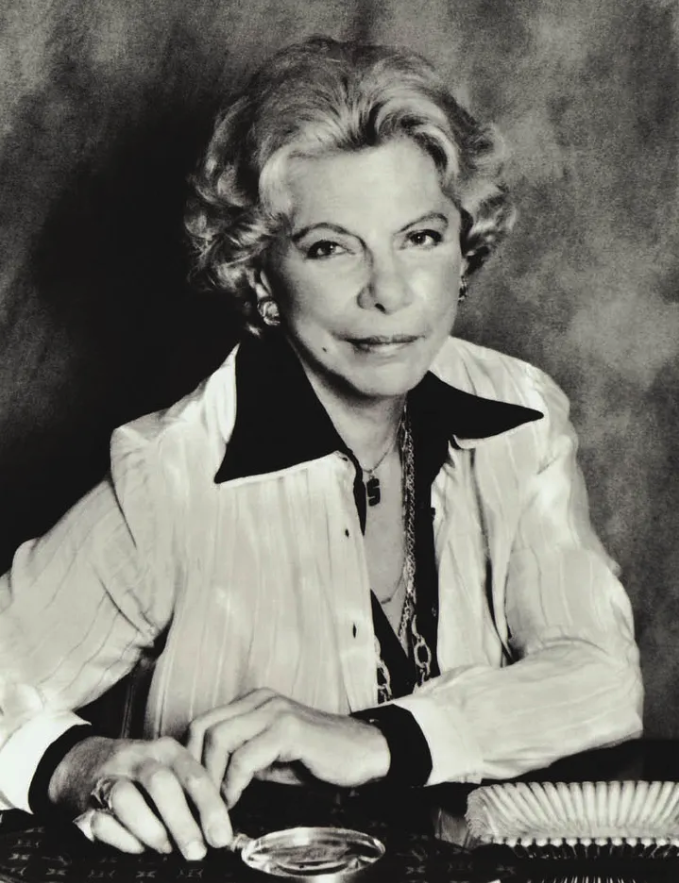
WOMEN MAKING WAVES
Shirley Polykoff (1908-1998)
In the mid-1950s, Shirley Polykoff created some of advertising’s most memorable campaigns, “Does she — or doesn’t she?” and “Do blondes really have more fun?” for Clairol – women’s use of hair coloring went from 7% to over 50%! Many consider her the main inspiration for Mad Men’s Peggy Olson.
She was a staunch defender of equal rights, but not necessarily a feminist – she wouldn’t accept a pay raise because she felt “it was insulting to make more than her husband.” After his death, the agency doubled her salary, and she was their highest-paid employee before she left to start her own agency.
Advertising during the
Third Wave (1990s-2000s)
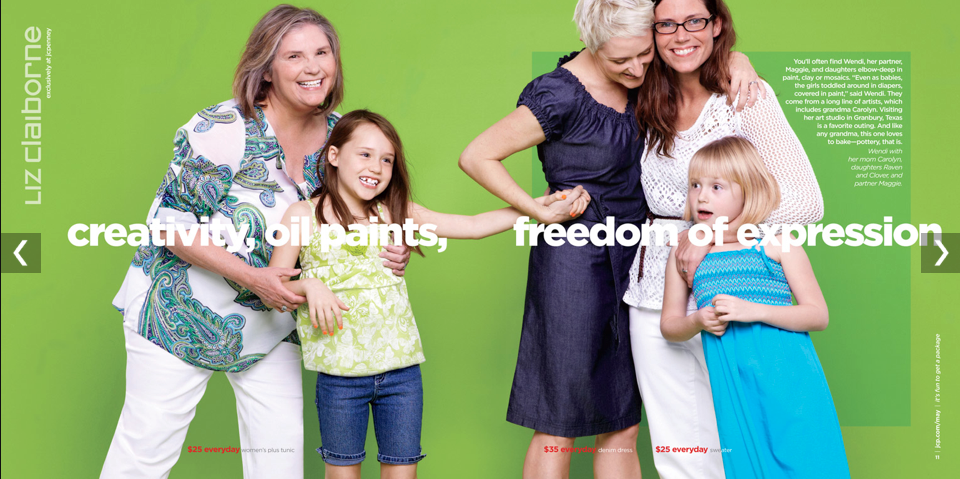
During the third wave of feminism, advertising shifted to individual empowerment, diversity, and social identities – race, gender, sexuality, and class. This was the age of "girl power," and ads tried to portray powerful, “real,” authentic women, with “love yourself” and “be all you can be” messaging presented to women of all ages.
A lot of advertising focused on personal choice, body positivity, and challenging established gender norms – but a lot of it was obviously faux-feminism, labeled “Femertizing” or “Commodity Feminism” – ads that basically said if a woman wanted to be powerful, she had to make the right consumer choices.

The dawn of the "Real" woman.
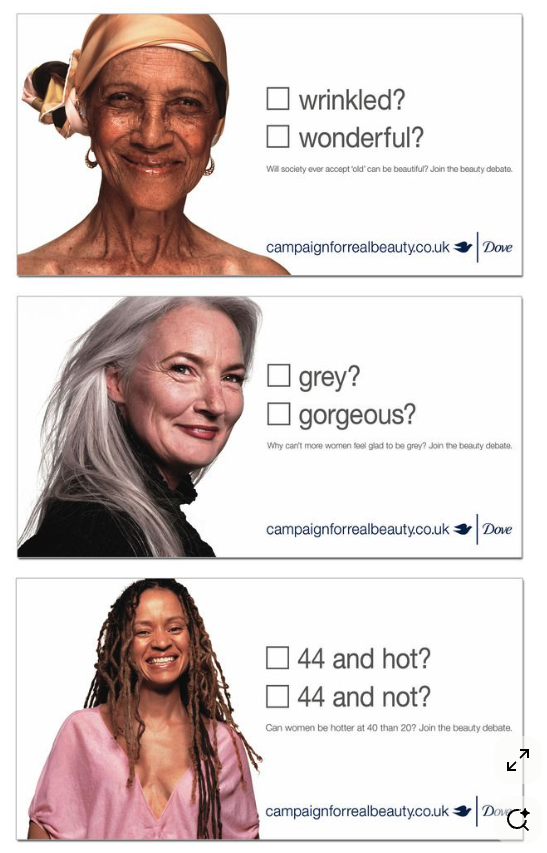
Expanding the "Real" campaign.
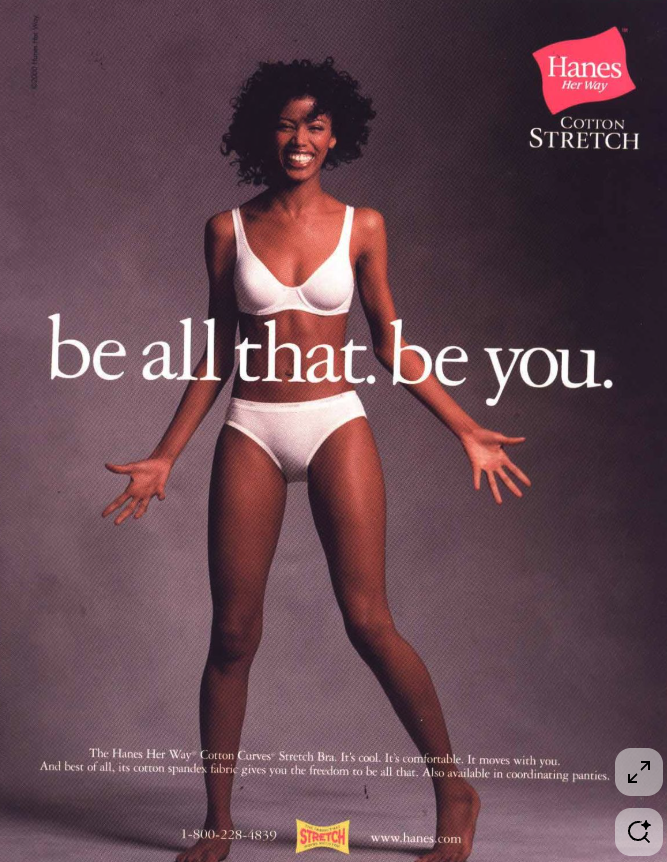
Femertizing/Commodity Feminism...
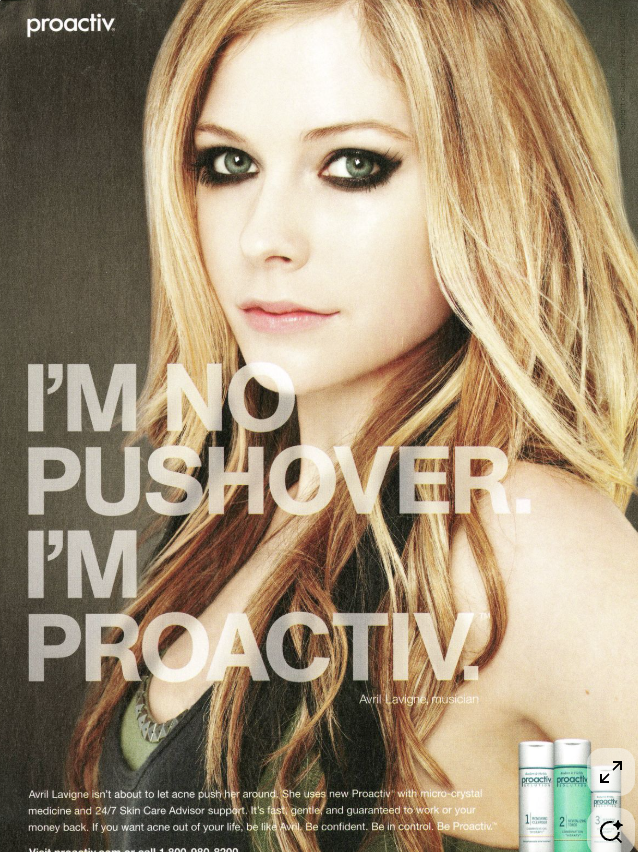
You can be powerful... if you don't have acne.
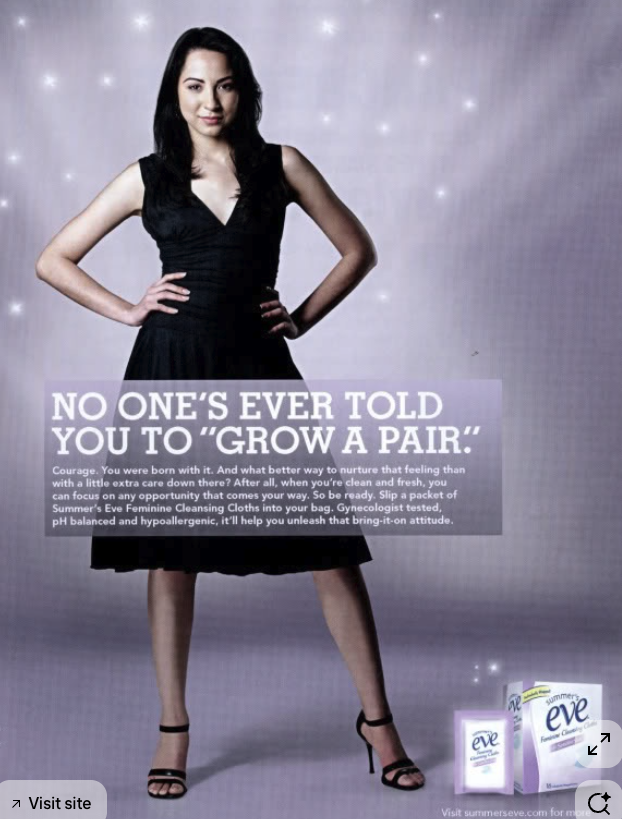
You can be strong... with the "extra care down there."
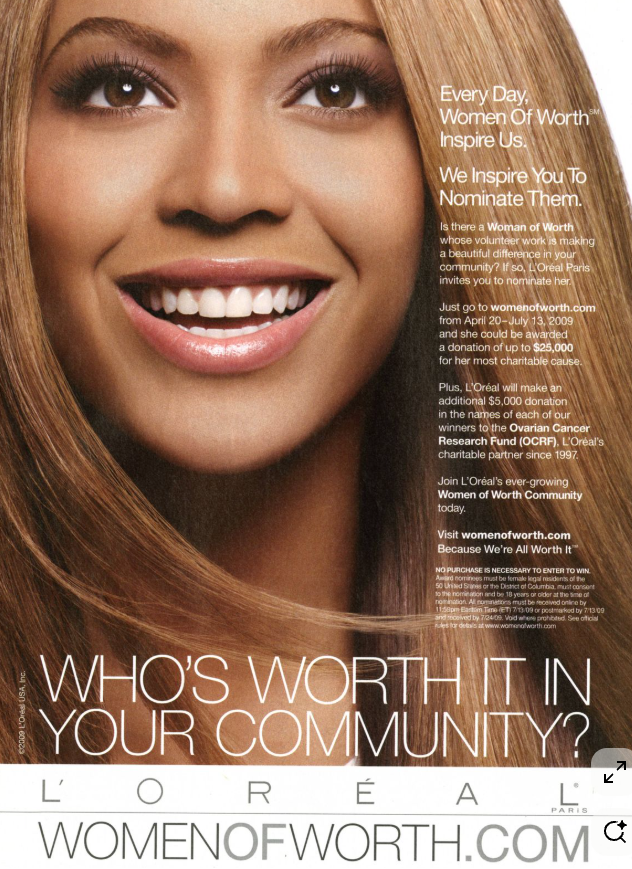
Not all bad - more ads with women of color...
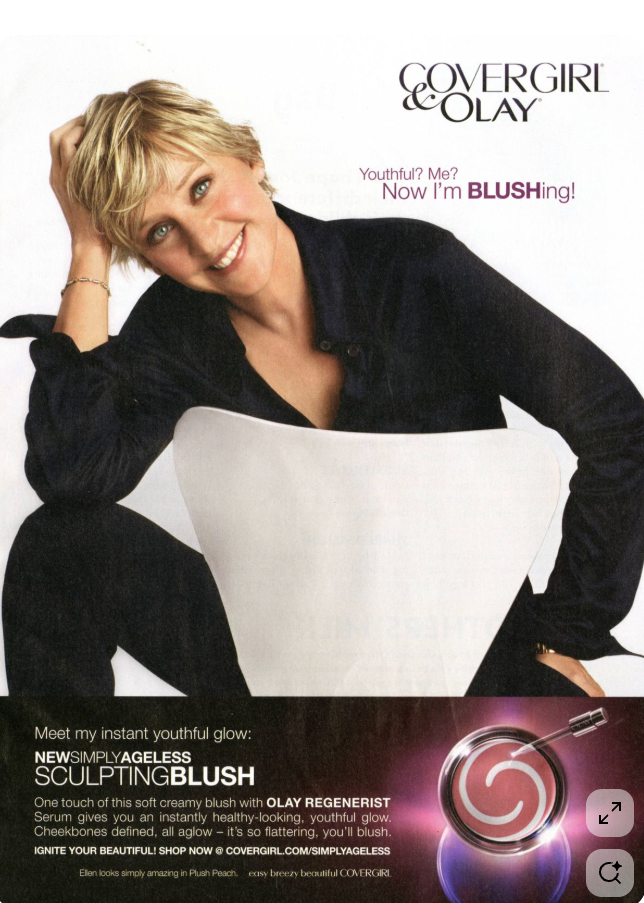
And CoverGirl had a lesbian, over-50 spokeswoman.

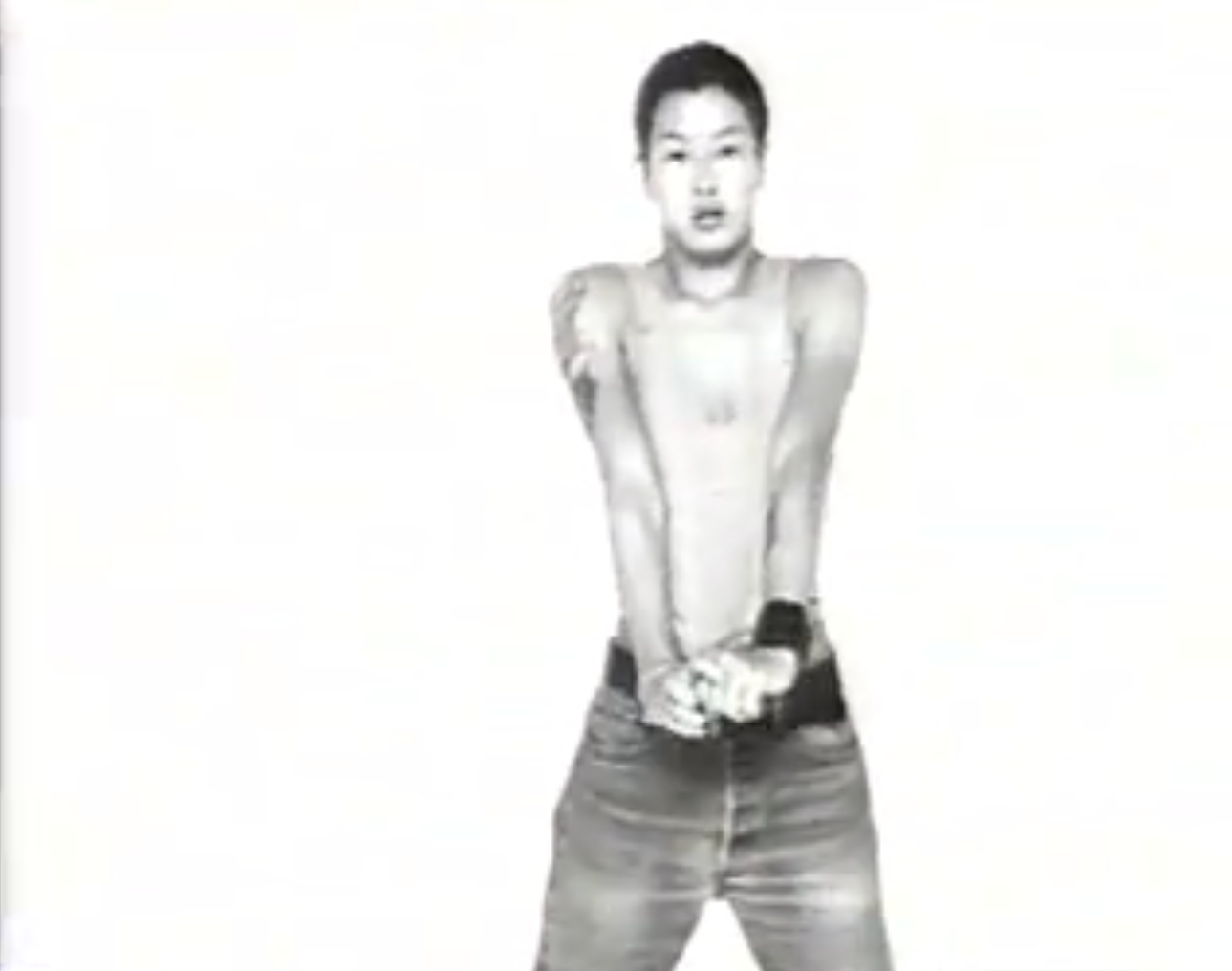
Intersexuality (Edgier version of Dove “Real” campaign?)
“Commodity Feminism” (“Embrace You As You Are” sort of)
“Femertizing” (Faux Feminism?)
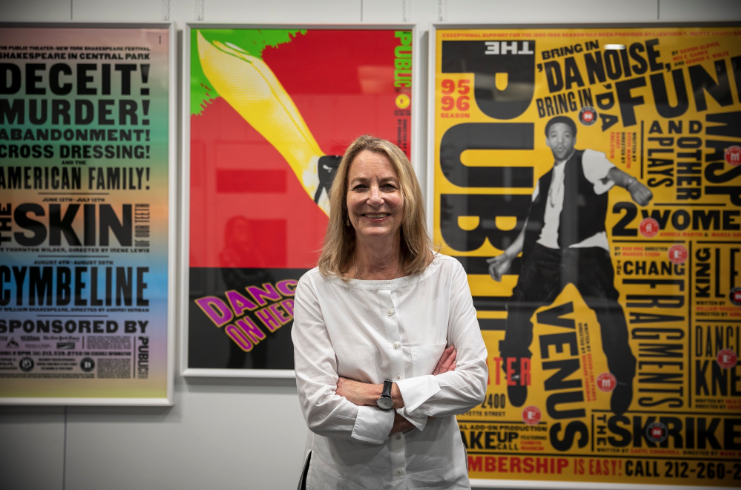
WOMEN MAKING WAVES
Paula Scher (Born 1948)
As one of the most influential graphic designers of the past 40 years, Paula Scher has earned numerous awards for her out-of-the-box designs, unique vision, and creative process. She created breakout campaigns and designed iconic logos for companies like Coca-Cola, Citibank, Microsoft Windows, and The Public Theater (Guerrilla Girls inspiration?).
Fun Fact: she graduated with a BFA from Temple’s Tyler School of Art, about five miles from here.
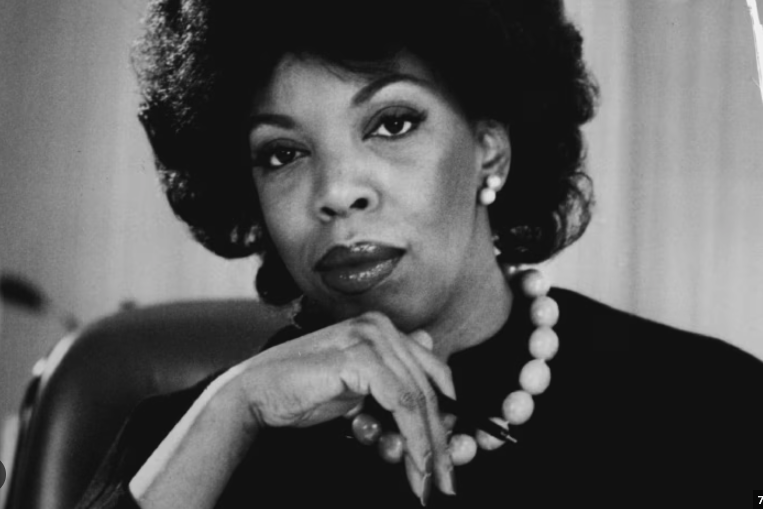
Barbara Gardner Proctor (1932-2018)
50 years ago, Barbara Gardner Proctor stood up in a meeting and refused to create an ad mocking the gender and racial equality protests. They fired her… so she started her own ad agency, the first agency owned by a Black woman.
By the mid-80s, her agency billings topped $13 million, and she was recognized by President Reagan for her "spirit of enterprise."
Advertising during the Fourth Wave
(2012-Today?)
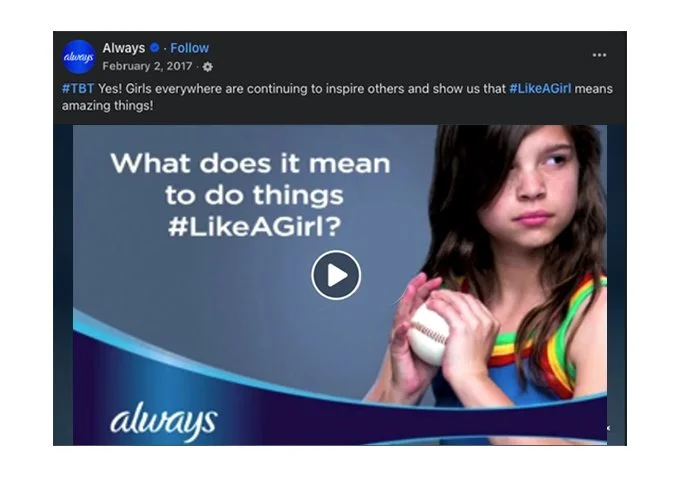
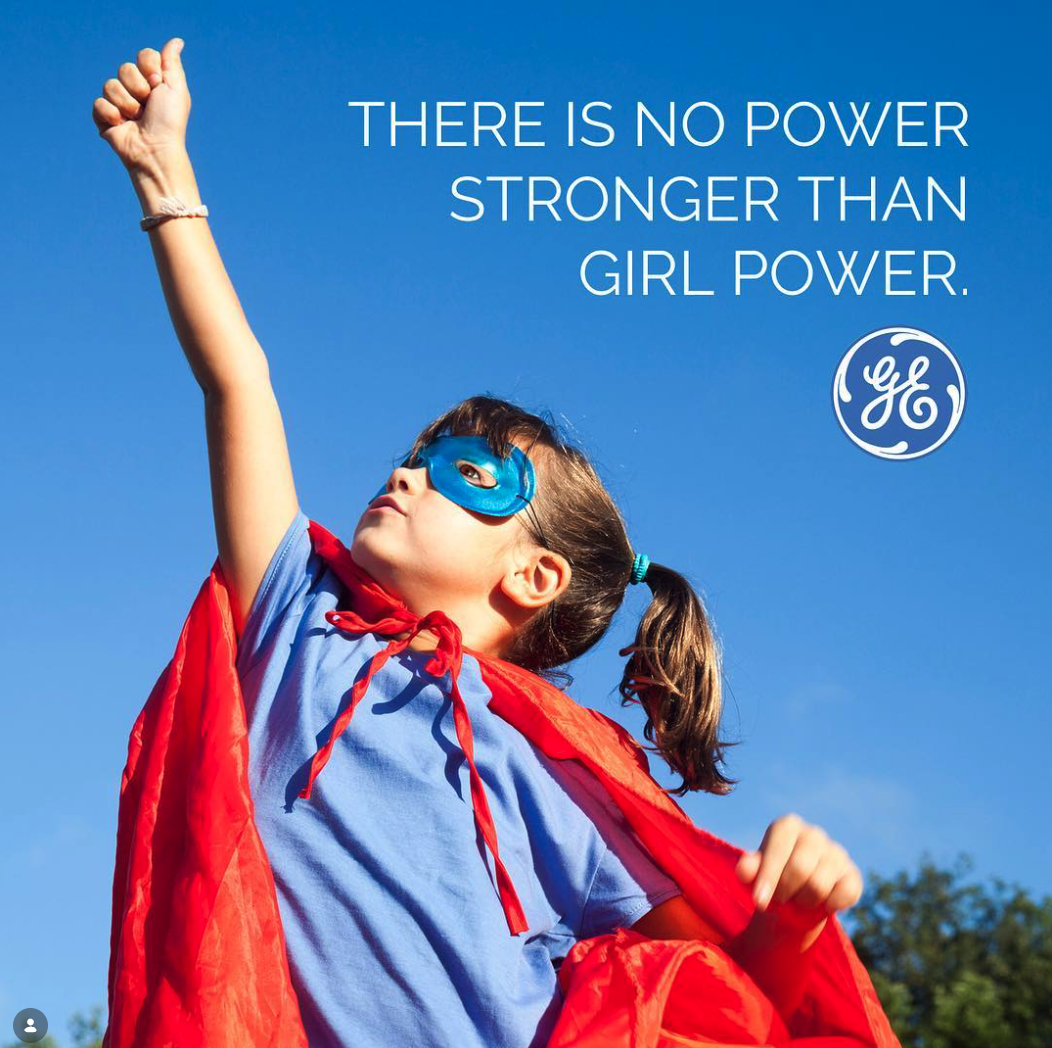
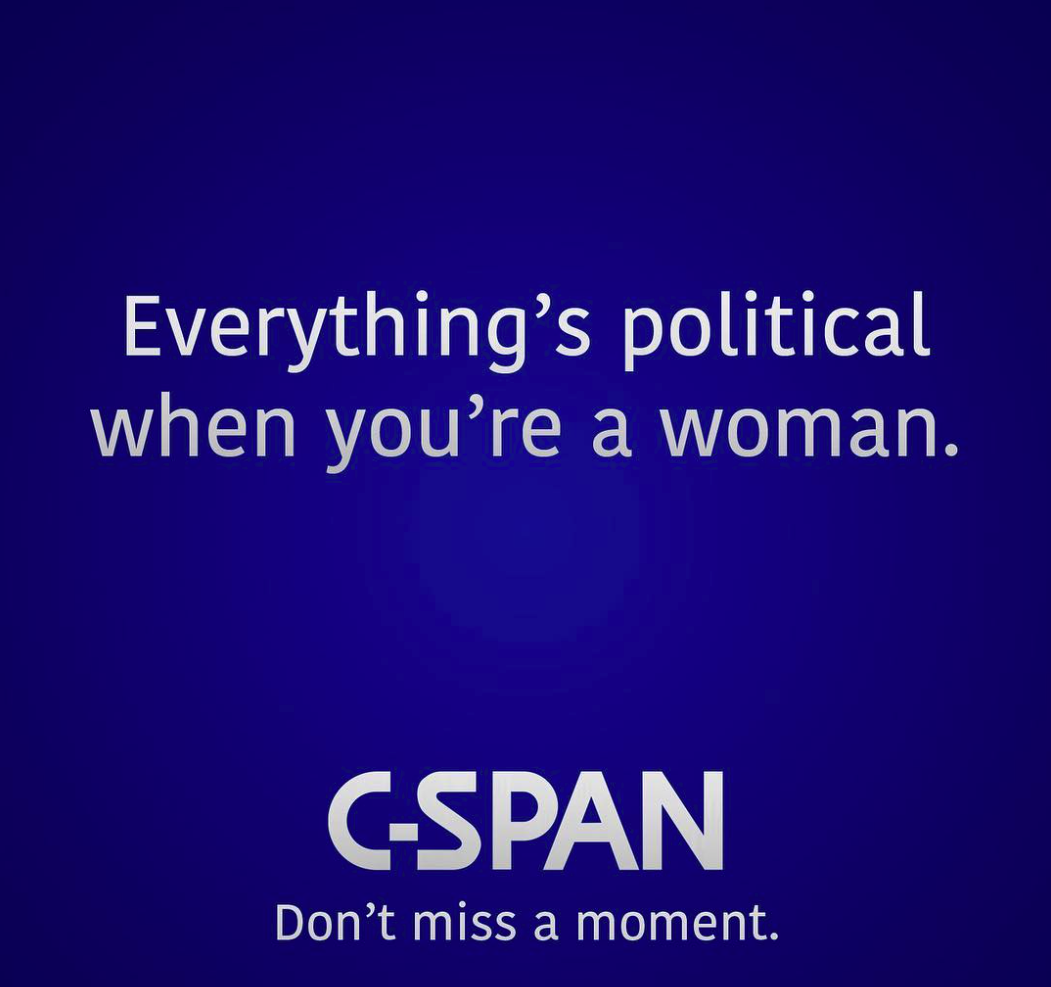
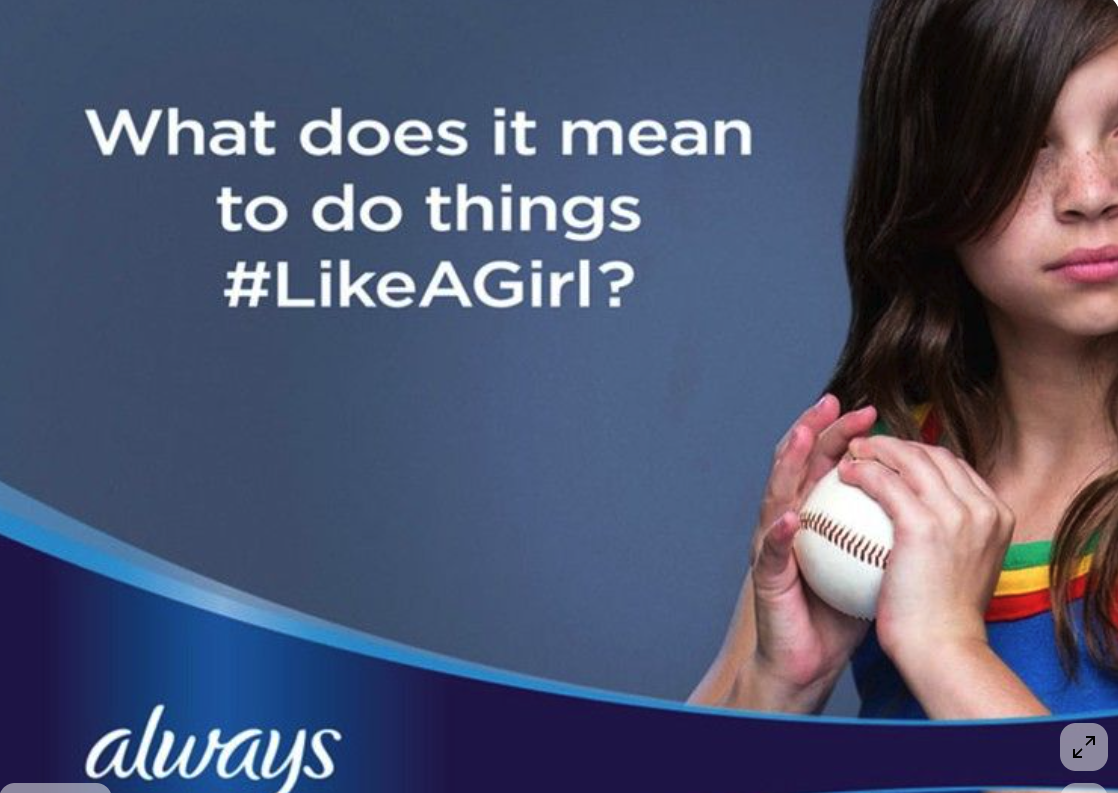
#MeToo. #TimesUp. The Women’s Marches. In many ways, the start of the Fourth Wave corresponds with the rise of social media. Fourth wave feminists use social media, “seeking true empowerment,” as one source put it, “celebrating diversity, making sure everyone is heard and given the opportunities they deserve to succeed.”
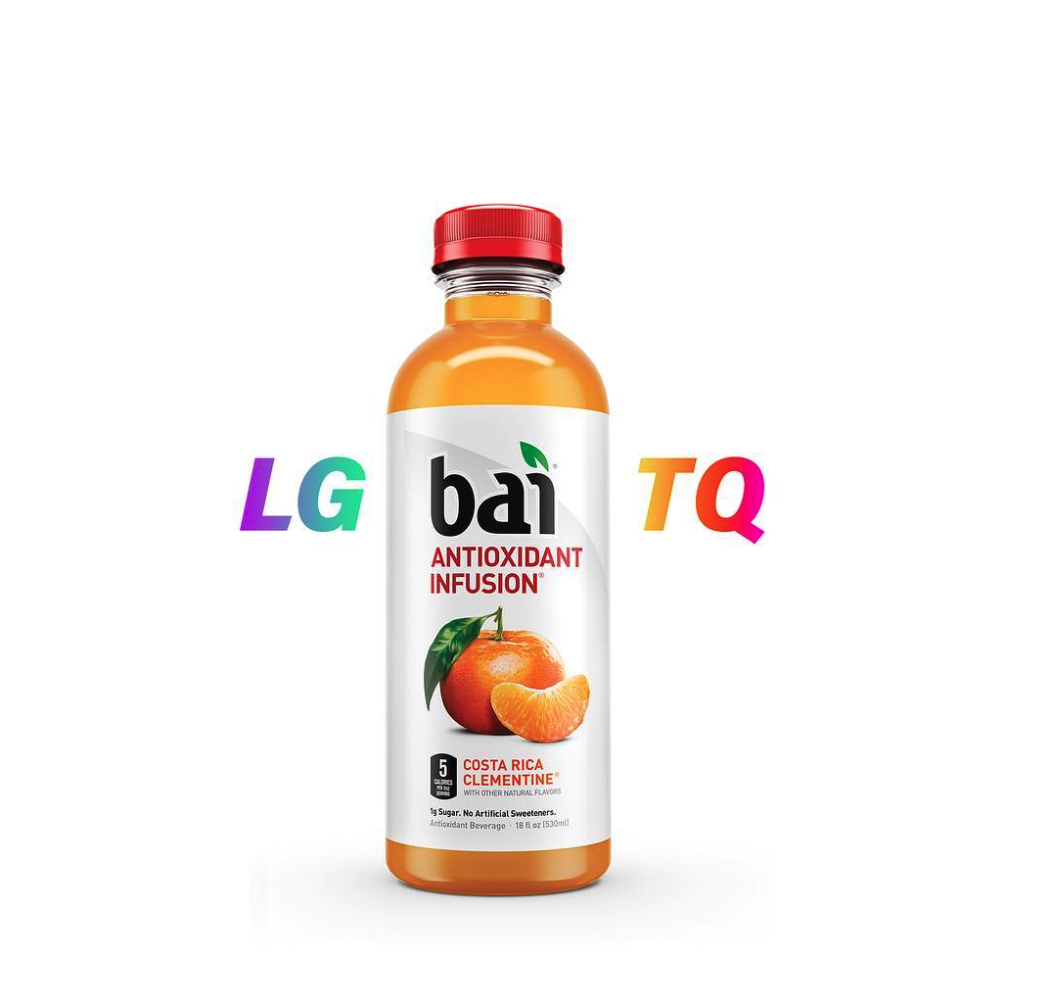
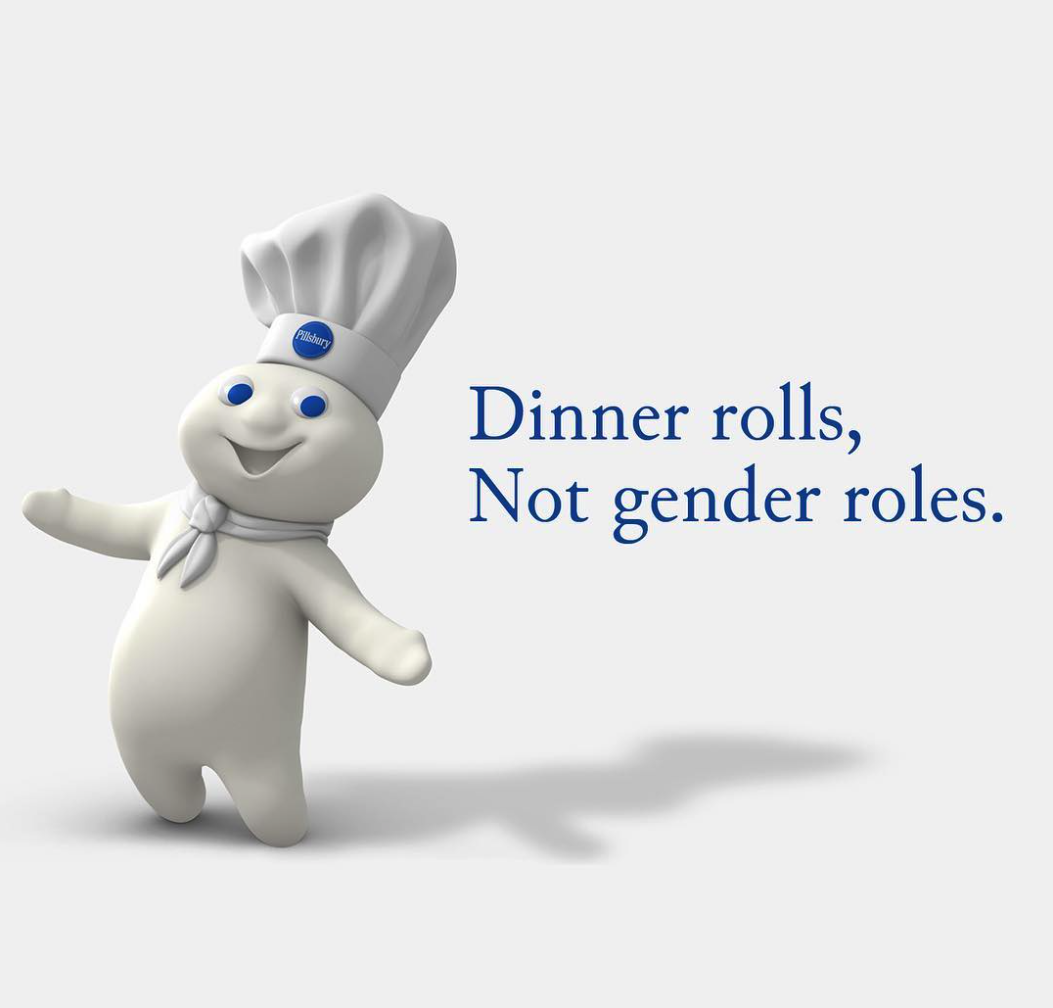
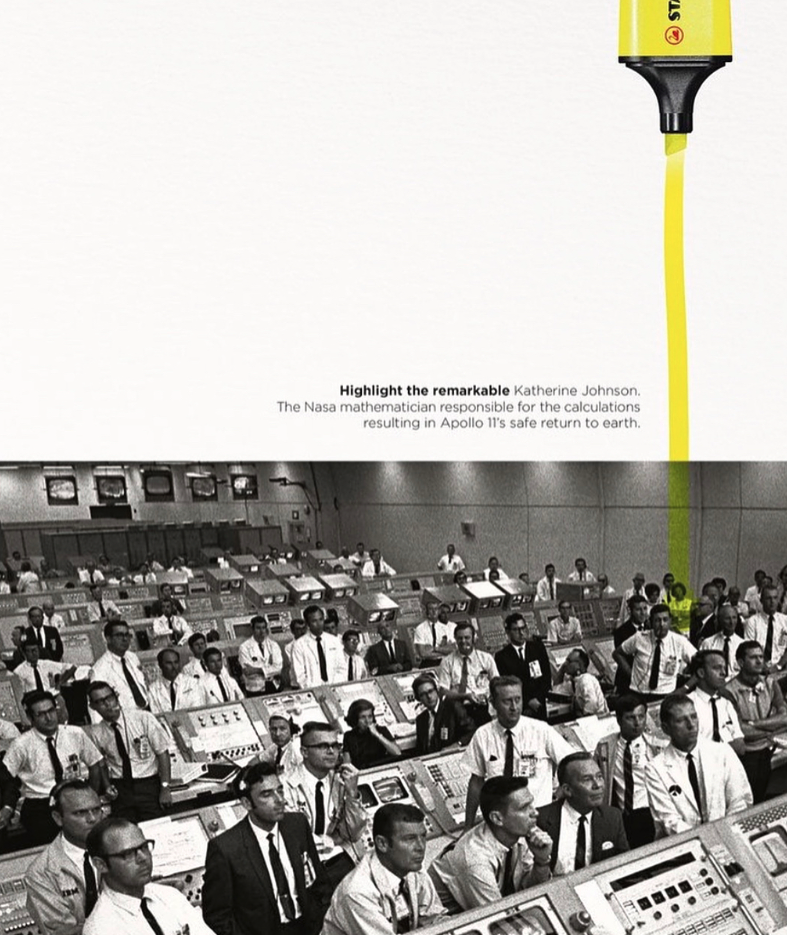
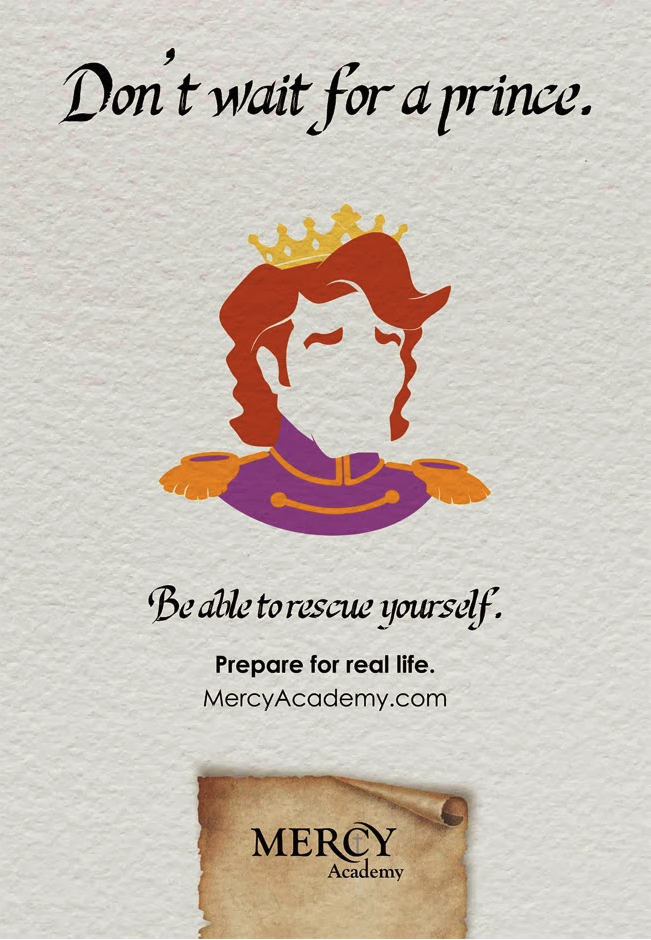
Today, many advertisers have (finally?) embraced these same ideals and have started weaving fourth-wave messaging into their campaigns. Some of the best examples of that messaging can be found in these Instagram ads on National Women’s Day…




*Yankelovich Monitor and Greenfield Online91% of women feel advertisers don’t understand them.
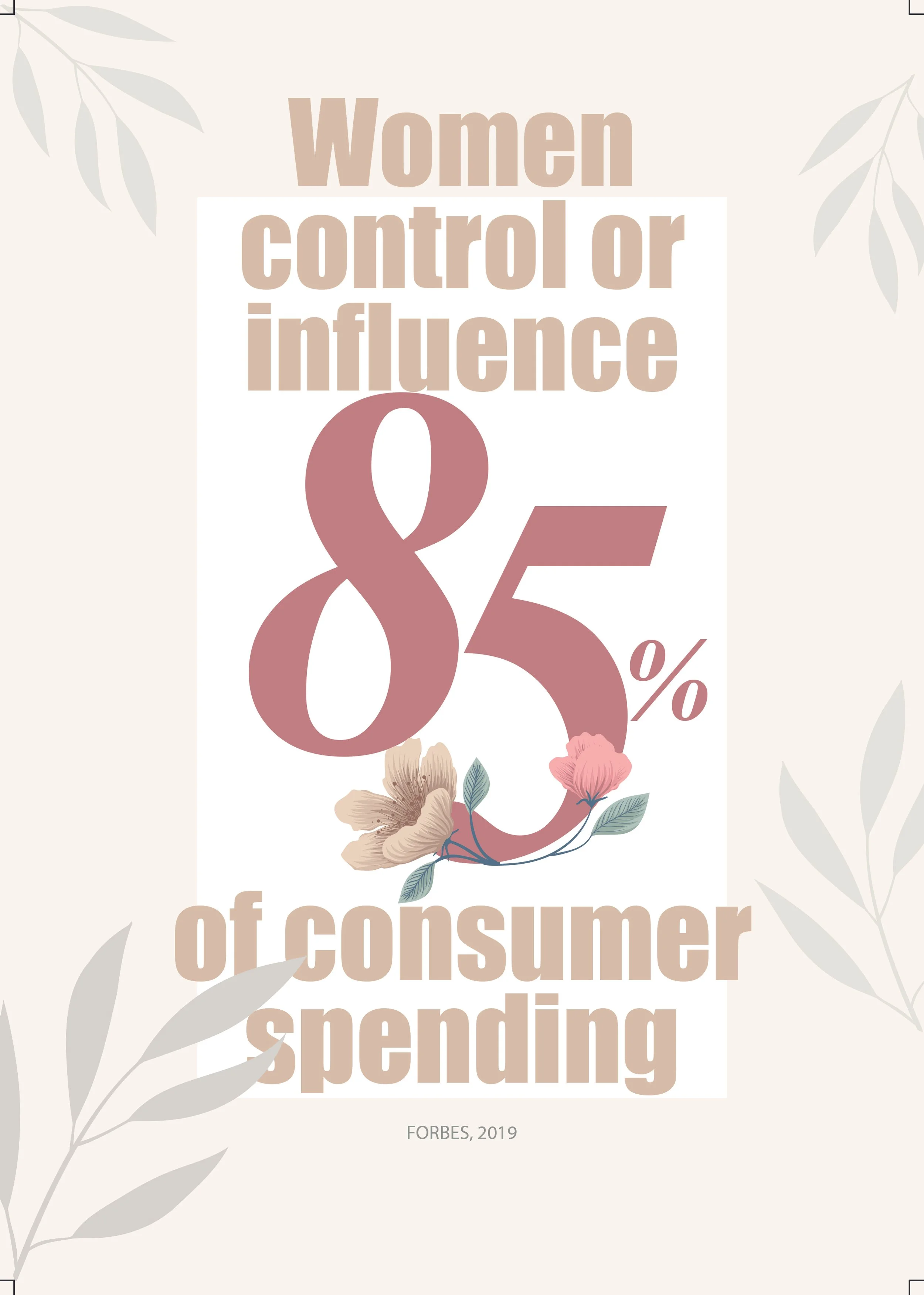
Women Have the Power to
Change Advertising
Sources
https://gendercultureandtext.glasgow.ac.uk/index.php/2021/04/29/the-flapper-in-advertisements-a-symbol-of-womens-liberation-or-immorality/
https://rarehistoricalphotos.com/vintage-advertisements-women-need-for-marital-security/
https://www.timetoast.com/timelines/gender-bias-of-advertising-1920
https://www.thinkaor.com/insights/a-history-of-women-working-in-advertising-for-womens-history-month/https://picturingamerica142762412.wordpress.com/2018/04/18/advertising-and-gender-roles-1957-1977/
https://girlpowermarketing.com/statistics-purchasing-power-women/#:~:text=Here%20are%20some%20other%20insights%20on%20women's,about%20deals%20or%20online%20recommendations%20to%20others.
https://fairytalenewsblog.blogspot.com/2013/11/youre-not-princess-mercy-college-fights.html
https://econsultancy.com/17-marketing-campaigns-with-a-positive-message-for-women/
https://www.creativebloq.com/features/best-international-womens-day-campaigns
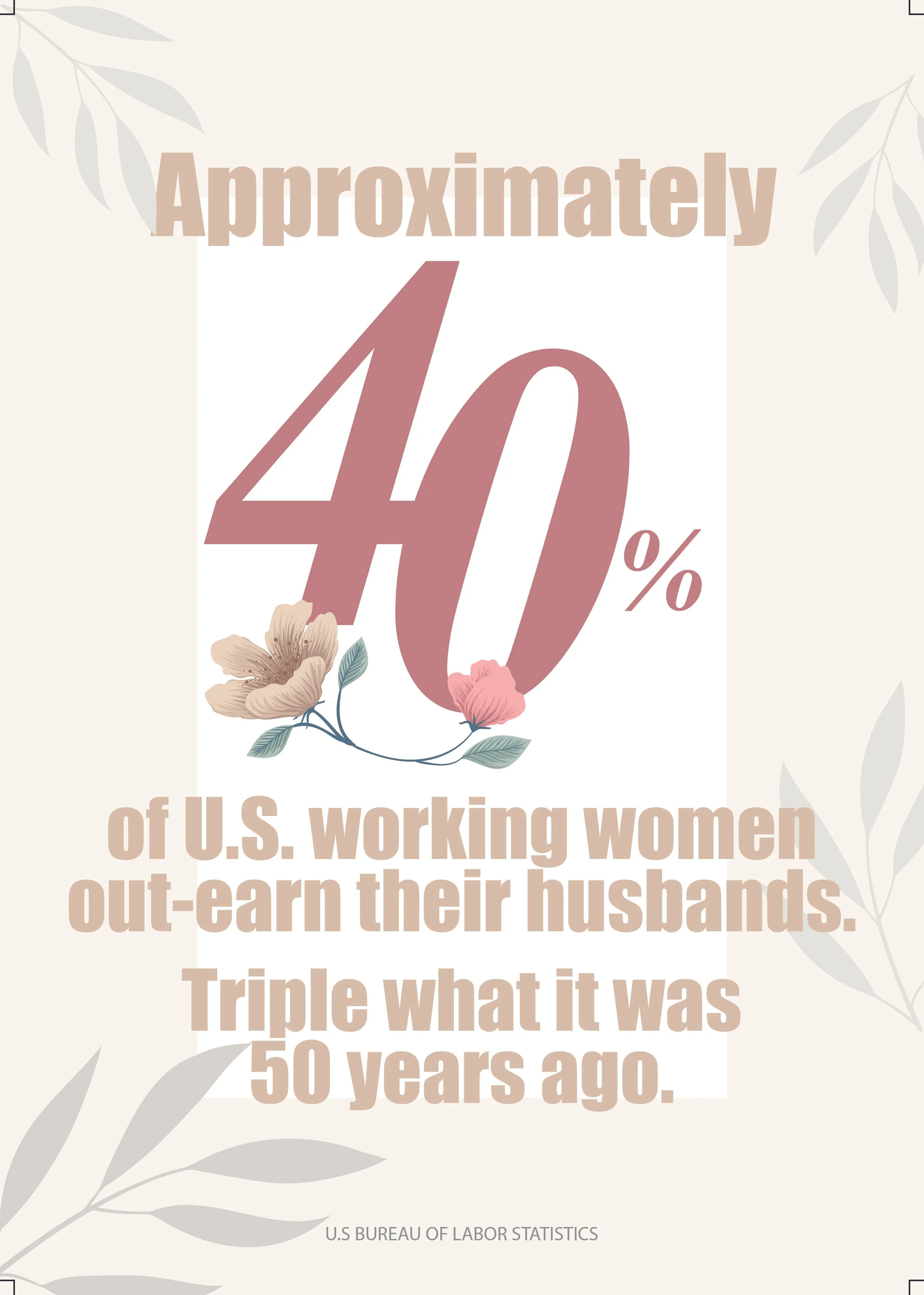
https://www.cnbc.com/2023/04/20/more-women-are-out-earning-their-husbands-in-the-us.html
https://eracoalition.org/2022/06/28/4th-wave-feminism-social-media-and-the-fight-for-the-era/
https://www.masterclass.com/articles/fourth-wave-feminism
https://www.womenshistory.org/exhibits/feminism-fourth-wave
https://www.instagram.com/feministads/
https://www.unusualverse.com/2019/08/wells-fargo-learning-sign-language.html